Case Studies
Explore real-world examples of Indigenous data governance in action, showcasing successful initiatives, challenges overcome, and lessons learned from Indigenous-led data projects across Australia.
Sandpit in the Sandstone
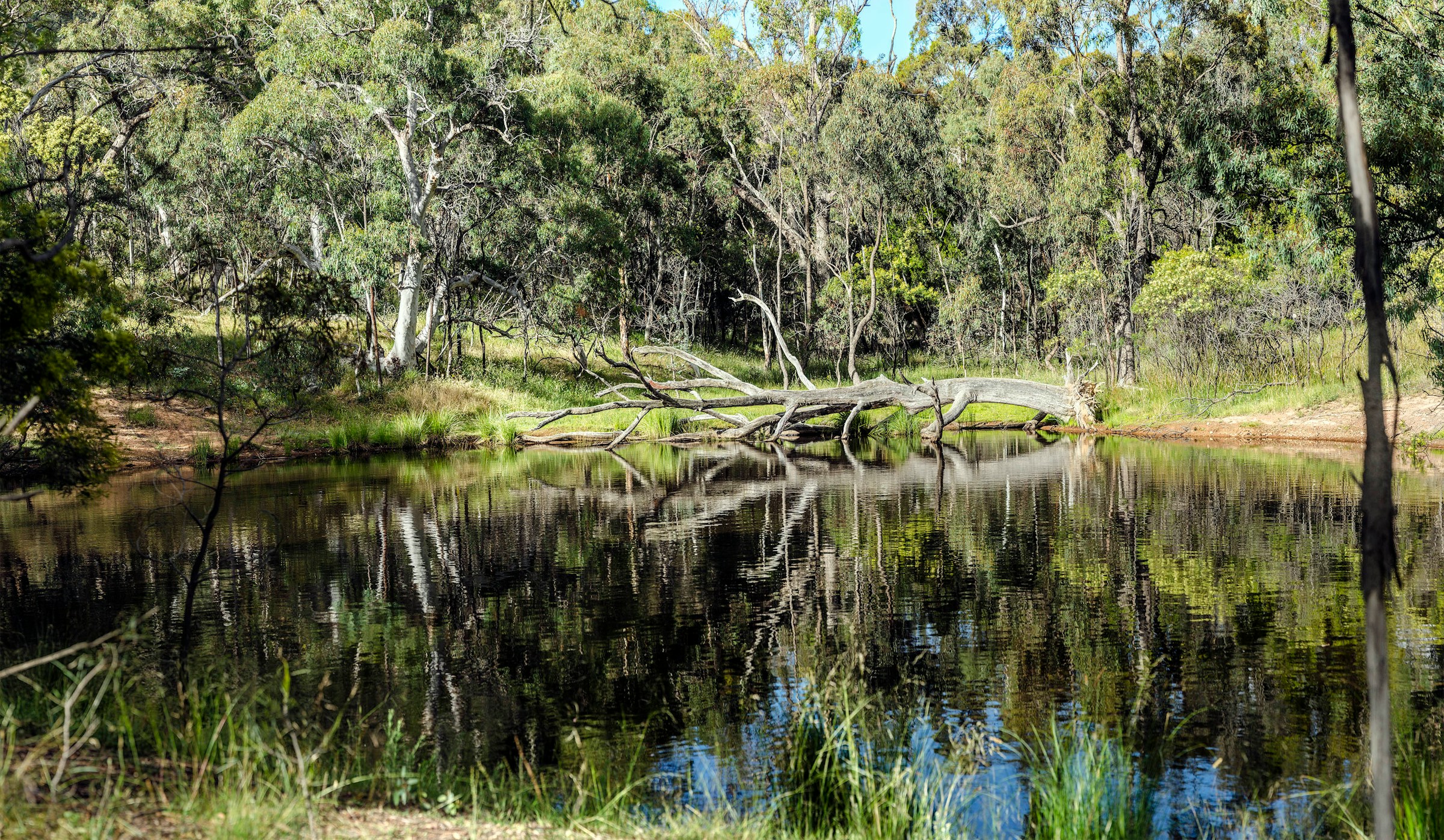
Sandpit in the Sandstone is a collaborative initiative between The University of Queensland and The University of Melbourne, supported by the Australian Research Data Commons (ARDC). This partnership aims to enhance Indigenous research capabilities by improving research data commons, with a focus on Aboriginal and Torres Strait Islander collections held at The University of Queensland's galleries, libraries, archives, and museums. Initially led by Associate Professor Sandra Phillips, Dr Penny Holliday, and Dr Toni McPherson, the project team has evolved in 2024 to include Professor Annemaree Carroll as manager, Dr Penny Holliday as co-lead and Project Manager, and Dr Amberyn Thomas from UQ Library. The project maintains its partnership with the Mithaka Aboriginal Corporation, underlining its commitment to Indigenous collaboration and research improvement.
Yirrkala
The Yirrkala case study emerged at the request of Senior Yolŋu leaders at Yirrkala School – development of the case study has been co-designed and is being implemented in close collaboration.
The case study activities include:
- Place-based consultations with knowledge holders in Northeast Arnhem Land to develop Yolŋu Data Governance framework
- Digitisation of 50 years nationally significant material in Yirrkala School LPC: including development of protocols & training resources
- Training interns, students and Yolŋu people in Yirrkala to digitise and develop a metadata catalogue of the LPC archive
- IP & ICIP negotiations with NT government officials to transfer digital and physical rights to Yolŋu knowledge holders
Makassar workshop
The Improving Indigenous Research Capabilities project workshop, Sustaining Relations Between Makassans and Yolŋu: living history in the present and future, brought together Yolŋu, Makassan and other experts from Indonesia and Australia in a cultural exchange of information and data between knowledge holders and institutions in Indonesia and Australia.
LivLegs
The LivLegs case study to brings together and documents the Karel Kupka collection and its archive, and making them virtually and physically accessible to sources communities from Arnhem land, the Tiwi Islands and Groote Eylandt will help to:
- Reach a better understanding of the collection, its history and its entanglement with local and global dynamics from the 1950s onward
- Foster stronger relationships between museums, local art centres and organisations and indigenous knowledge holders
- Share data and skills – building on past and existing research efforts
- Improve conservation practices, including attention to cultural sensitivities
- Pass down valued knowledge and skills to younger generations
- Nurture contemporary artistic expressions